20 liens privés
Researchers reveal distinctive blood biomarkers in long COVID patients. This groundbreaking study establishes clear differences in immune and hormone function between individuals with long COVID and those without.



Older people who were infected with COVID-19 show a substantially higher risk—as much as 50% to 80% higher than a control group—of developing Alzheimer’s disease within a year, according to a study of more than 6 million patients 65 and older.




Tread du 12 mars 2022 sur l'évolution du covid et pourquoi il faut continuer à s'en protéger.
How lethal is Covid now?
A few scientists/statisticians have been comparing the ONS Covid survey with Flu modelling studies to compare infection fatality rates.
It is so important to understand how dangerous Covid is, but IMV, such comparisons are simply too inaccurate.
ACE2-independent infection of T lymphocytes by SARS-CoV-2 | Signal Transduction and Targeted Therapy
Interaction du covid avec les cellules immunitaires
SARS-CoV-2 induced marked lymphopenia in severe patients with COVID-19. However, whether lymphocytes are targets of viral infection is yet to be determined, although SARS-CoV-2 RNA or antigen has been identified in T cells from patients. Here, we confirmed that SARS-CoV-2 viral antigen could be detected in patient peripheral blood cells (PBCs) or postmortem lung T cells, and the infectious virus could also be detected from viral antigen-positive PBCs. We next prove that SARS-CoV-2 infects T lymphocytes, preferably activated CD4 + T cells in vitro. Upon infection, viral RNA, subgenomic RNA, viral protein or viral particle can be detected in the T cells. Furthermore, we show that the infection is spike-ACE2/TMPRSS2-independent through using ACE2 knockdown or receptor blocking experiments. Next, we demonstrate that viral antigen-positive T cells from patient undergone pronounced apoptosis. In vitro infection of T cells induced cell death that is likely in mitochondria ROS-HIF-1a-dependent pathways. Finally, we demonstrated that LFA-1, the protein exclusively expresses in multiple leukocytes, is more likely the entry molecule that mediated SARS-CoV-2 infection in T cells, compared to a list of other known receptors. Collectively, this work confirmed a SARS-CoV-2 infection of T cells, in a spike-ACE2-independent manner, which shed novel insights into the underlying mechanisms of SARS-CoV-2-induced lymphopenia in COVID-19 patients.
The coronavirus behind the pandemic can linger on doorknobs and other surfaces, but these aren’t a major source of infection.
LONG THREAD on current Covid situation:
Covering Vax, Prevalence, Hospitals, Deaths, Kids, Long Covid & longer term impacts, new variants...
so buckle up. 1/18
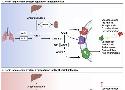
COVID-19 has expanded across the world since its discovery in Wuhan (China) and has had a significant impact on people’s lives and health. Long COVID is a term coined by the World Health Organization (WHO) to describe a variety of persistent symptoms after acute SARS-CoV-2 infection. Long COVID has been demonstrated to affect various SARS-CoV-2-infected persons, independently of the acute disease severity. The symptoms of long COVID, like acute COVID-19, consist in the set of damage to various organs and systems such as the respiratory, cardiovascular, neurological, endocrine, urinary, and immune systems. Fatigue, dyspnea, cardiac abnormalities, cognitive and attention impairments, sleep disturbances, post-traumatic stress disorder, muscle pain, concentration problems, and headache were all reported as symptoms of long COVID. At the molecular level, the renin-angiotensin system (RAS) is heavily involved in the pathogenesis of this illness, much as it is in the acute phase of the viral infection. In this review, we summarize the impact of long COVID on several organs and tissues, with a special focus on the significance of the RAS in the disease pathogenesis. Long COVID risk factors and potential therapy approaches are also explored.

Transmission of COVID-19 within families and close contacts accounts for the majority of epidemic growth. Community mask wearing, hand washing and social distancing are thought to be effective but there is little evidence to inform or support community members on COVID-19 risk reduction within families.